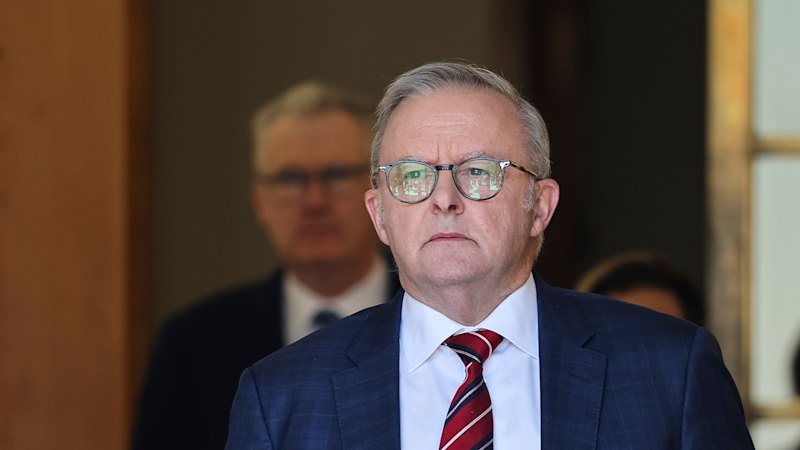

However, Albanese said the federal opposition had been hypocritical in its response to date, given it had urged that parliament be recalled to deliver reform and then rejected his bill. He demanded Opposition Leader Sussan Ley confirm her position on the new bills.
“They have up to this point, of course, called for parliament to be recalled and then opposed [the bill]. When we did it, they called for hate speech laws. When they’ve seen them, they’re now against them,” he said.
Ley criticised Albanese for recanting on his previous claim that the changes could not be adjusted and criticised the parliamentary deadline for dealing with them, which she said prevented community voices from being heard.
“He has decided to split what he told Australians was an un-splittable bill, including when directly asked by the opposition leader face-to-face,” a spokesman for Ley said in a statement.
Opposition Leader Sussan Ley.Credit: Eamon Gallagher
A government source said it was in negotiations with the Greens and the opposition on the new, truncated hate speech bill.
Waters said on Saturday that there was not enough time to analyse and negotiate the omnibus bill.
“It may be simpler to start afresh with a bill that aims to protect everyone from hatred and discrimination,” she said.
The Greens want Labor’s proposed anti-vilification laws to be broadened from protecting just racial hatred – designed to protect Jews after Bondi – to encompass LGBTQ and religious protections.
Ley all but ended the prospects of the Coalition supporting bill when she declared on Thursday that the changes were nearly unsalvageable, even before her shadow cabinet debated it.
The standalone gun bill presents a new challenge for the opposition. Nationals leader David Littleproud has campaigned against firearm reform, labelling it a distraction from tackling antisemitism.
Loading
Civil rights groups, legal experts and transparency advocates have criticised the original bill and argued it had been rushed, was too broad, and could have restricted public debate on issues that could offend racial groups, such as terrorism and migration.
The Greens are also concerned that Labor wanted to curb the pro-Palestinian protest movement, which uses chants such as “Globalise the intifada” and “River to the sea”. There have been debates about whether these slogans encourage violence.
Ley said she would go to parliament next week and put forward a separate package of proposals because Labor’s attempt was confused.
Executive Council of Australian Jewry co-chief executive Peter Wertheim, a close associate of the prime minister, said last week that the major parties must unite in the national interest and that Labor needed to accept a Coalition request to get rid of a proposed religious text exemption in the draft law.
“If this all falls over, it means we’re sending a signal to the world that we just had the worst terror attack in our history and we can’t decide what to do about it,” he said.
However, Catholic Archbishop of Sydney Anthony Fisher – whom Albanese, a Catholic, meets regularly – on Friday co-signed a letter to Albanese with top Muslim, Buddhist, Sikh and Scientology leaders asking him to shelve the anti-vilification laws because they could crimp religious expression.
“A rushed legislative process of this nature undermines confidence, increases the risk of unintended consequences, and does not assist community unity or social cohesion,” the letter said.
Be the first to know when major news happens. Sign up for breaking news alerts on email or turn on notifications in the app.