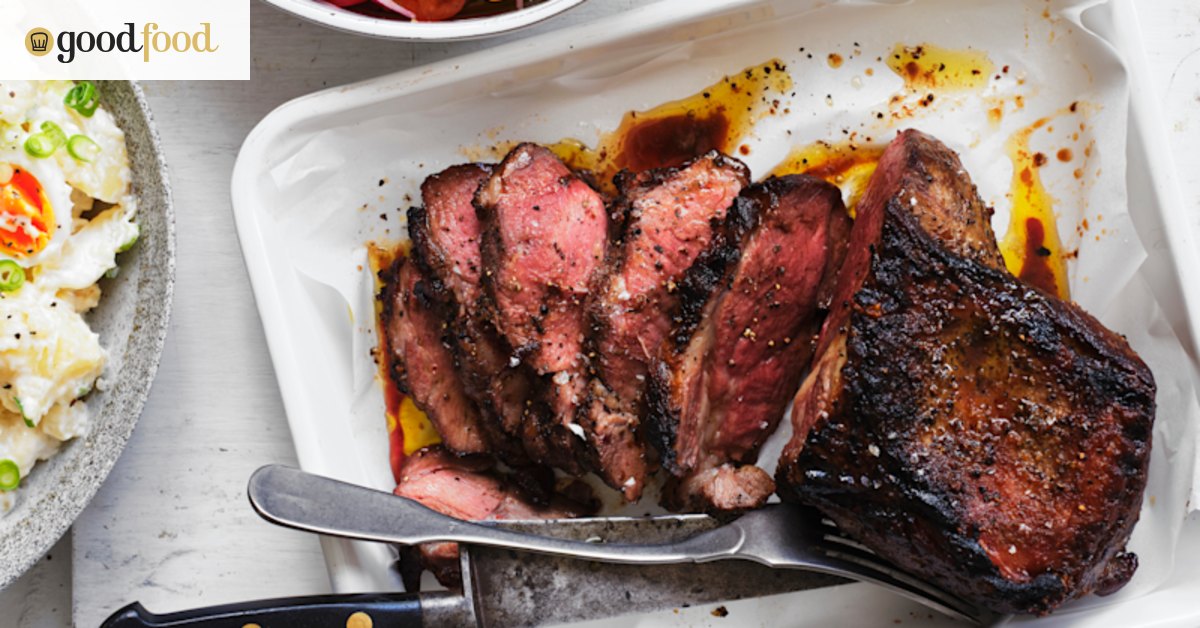

Chefs Ozge Kalvo and Jenna Abbruzese are experts on all things lamb. They share their tips for making the most of each cut, this Easter and beyond.
To understand how best to cook and serve lamb this Easter and beyond, we learn from two chefs with more insight than most.
Ozge Kalvo leads the kitchen at Olympus Dining in Sydney, where they lean hard into lamb. “We’re getting 20 lambs weekly from a family farm in Victoria, and using all the cuts,” she says.
“A wine cool room has been turned into a lamb room, we’ve employed a full-time butcher, and we’re dry-ageing for two weeks.” One section of the menu is devoted to lamb – cutlets, chops, sausages, leg – while lamb brain and sweetbreads pop up on the menu too.
Jenna Abbruzese is a chef-turned-lamb farmer in central Victoria. “Cooking lamb isn’t complex,” she says, “It’s about who you’re serving and what the occasion is: you can make it really special, or it can be your own quick dinner.”
The best recipes from Australia’s leading chefs straight to your inbox.
Sign up
“Lamb is a comforting family meal, easy to cook, and more affordable than steak,” says Kalvo. It works well if you’re trying to eat less meat but better meat. “The portions are better for individuals,” she says.
You can serve a variety of cuts at a gathering, getting used to the idea of meat as part of an animal, and thinking more nose to tail. “You don’t have to feed everyone cutlets,” says Kalvo. “I love to do a platter of different cuts.”
Love your butcher
As a small farmer, Abbruzese sells her Addington Downs lamb boxes to subscribers but she recommends any consumer get cosy with trusted butchers who know exactly where their meat is coming from. “Be a bit more intentional,” she says. “We do it with wine, coffee, beef, why not lamb?”
“I come from Turkey,” says Kalvo. “We never bought meat at a grocery store, it was always about going to the family butcher.” You can ask them to debone a lamb leg, cut meat for skewers, or mince meat with an eye on fat content. “If you ask your butcher to mince it fresh, using some fatty belly meat, you’ll see how different it is.”
Kalvo works to a fat ratio of 20 per cent for rich, flavourful mince to turn into meatballs and kofte.
How to measure done-ness
“Why guess when you can measure?” asks meat-probe-lover Jenna Abbruzzese. “I can guarantee using a thermometer will make cooking roasts so much more enjoyable.”
For smaller cuts, Kalvo likes lamb a bit more done. “I prefer most cuts medium well,” she says. “Less than medium, it’s too chewy for me and I don’t really experience the taste of the lamb.”
Seasoning
Abbruzzese cooks lamb with salt only. “It’s so I can eat it over a few days. Keeping it simple makes it versatile but there’s also a cave person satisfaction in simplicity.”
At Olympus, Kalvo goes Greek with fennel seeds, lemon, olive oil, orange zest, onion, yoghurt and herbs, which are all good friends with lamb.
The cuts
The leg
The hero cut of the beast is the top portion of each rear leg.
Butterflied lamb leg (deboned and butchered so it flattens out) is terrific on the barbecue. Kalvo also suggests removing lamb sausage meat from its casing and rolling it up in a butterflied lamb leg before tying and roasting. Try Adam Liaw’s butterflied lamb leg with tomato and mint recipe, pictured below.
To roast, Abbruzzese suggests removing the leg from the fridge two hours before cooking. This will help it cook more evenly.
Rub the leg with salt, olive oil (and pepper if you like), roast for 20 minutes at 220C fan-forced, then reduce to 180C no fan. “I like more gentle heat, not blasting the outside of the meat,” she says.
Spoon over fat and juices every 25 minutes or so. For pink-ish legs, remove when the centre reaches about 55C. It will continue to cook out of the oven, reaching about 60C to 68C, which is medium-rare to medium.
“I like a long resting period, about 20 or 30 minutes, where you cover the meat with foil and allow it to relax and reabsorb all that moisture,” she says. Slightly cooler meat makes for easier carving too.
The shoulder
A hard-working cut that loves a slow cook, Kalvo brines, marinades and sears bone-in shoulders, before placing in a tray with chicken stock, herbs and spices, covering it, then cooking it for eight hours at 120C. The meat will be fork tender.
The shank
Braise shanks in red wine with mushrooms and peppercorns and you’re on the way to a gastropub winner. “Serve slow-cooked shank with mash and peas and it will keep everyone happy,” says Abbruzzese.
Kalvo suggests picking shank (or neck) meat from the bone and serving it with orzo pasta. “You can use the cooking jus to cook your pasta, and serve it with salted ricotta on top.”
The neck
The neck makes the perfect cut for soup or ragu, or Neil Perry’s succulent lamb necks with onions and garlic (pictured above). “You can make harira, a Greek soup, Italian ragu, curry, it’s so delicious and succulent,” says Abbruzzese.
Cutlets
When the rack is separated, the portions become cutlets. “All my friends feed their babies cutlets as their first solid food,” says Abbruzzese. “But it doesn’t matter how old you are. Who is going to decline a cutlet, cooked in a hot pan with good oil or lamb fat and a bit of salt?”
Chops
Like cutlets, chops need a quick high heat to get a good crust, leaving the meat close to the bone quite rare. “You need a good salad with those cuts, maybe Greek, something refreshing acid and vinegary,” says Abbruzzese.
The loin
“I love to slice into medallions and do a little marinade – sumac and allspice, maybe – and make luxe little skewers,” says Abbruzzese. “They are great with charcoal flavour on every side.”
The rack
“Give it colour in the pan, then roast it in a hot oven and it’s beautiful to present,” says Abbruzzese.
Rump
Give it a quick roast, then slice nice and rare. “Taken from between the cutlets and the leg, it’s a very good portion for two people,” says Kalvo.
Ribs
Ribs are a top-seller at Olympus. “Leave in the piece, then put in a slow cooker or low oven overnight, seasoned with olive oil, salt, and a bit of water in the tray so it steams,” says Kalvo. Let ribs cool then cut them into single portions before frying to serve. “They are a delicious and simple snack, served with yoghurt and lemon.”
Ribs can be very fatty, so Abbruzzese marinates them in salt and onion juice (blitz an onion, then strain), then wraps them in greaseproof paper and foil for a gentle bake. When they start to soften, open the package to colour, then brush with toum to finish.
Offal
Abbruzzese is partial to thinly sliced liver and heart, marinated in onion juice and skewered over charcoal. “And brains: you can’t go wrong with crumbed nuggets with sauce gribiche.”
Bones
Bones make a wonderful stock, ready for soups and stews, stored in the freezer if necessary.


