Updated ,first published
Australian motorists could start seeing relief at the petrol pump within the month as a global oil price collapse raises hopes that fuel costs have finally peaked, so long as the Middle East ceasefire successfully restores the flow of energy exports from the region.
News that Iran and the United States had agreed to a last-minute ceasefire agreement, avoiding a worst-case military escalation, sent oil prices falling sharply on Wednesday. The cost of a barrel of Brent oil, the global benchmark, plunged 15 per cent to below $US91.
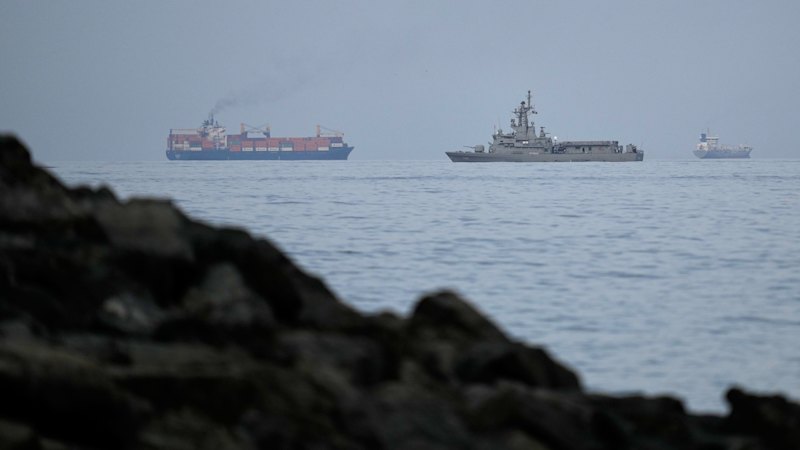
The tumbling cost of crude oil – the natural resource refined into petrol and diesel – could mark the “beginning of the end” for Australia’s soaring fuel prices, experts said. The price of regular unleaded has risen more than 30 per cent to record highs of above $2.50 a litre in the weeks since Iran started blockading the Strait of Hormuz, a vital shipping corridor that usually carries up to one-fifth of the world’s oil and gas tankers.
If the oil price declines hold, or continue falling, they will soon reach Australian petrol stations and cut retail prices for consumers. Each $US10-a-barrel decline in oil prices could cut 10¢ a litre at the pump in Australia.
“We are hoping this may be the beginning of the end,” said Peter Khoury, spokesman for the National Roads and Motorists Association. “But the next few days will be critical.”
The nation’s fuel suppliers say it would take at least three weeks for the market to rebalance and for prices to start falling at Australian service stations. Australian Institute of Petroleum chief executive Malcolm Roberts, who represents oil refiners and major importers including Ampol, BP, Mobil and Viva, said shipments from the Middle East had stalled and caused a bottleneck at the vast Asian oil refineries that produce the bulk of Australia’s liquid-fuel imports.
“Even if oil tankers sail through the Strait of Hormuz today, it would take several weeks before they reach Asian refineries and typical fuel exports resume,” Roberts said.
“The underlying problem is still shortfalls of supply reaching the refineries in Asia and that’s not going to change quickly – the supply-side pressure that leads to price pressure will be there for a few weeks yet.”
Prime Minister Anthony Albanese hailed the ceasefire and commitment to reopen Middle East shipping lanes, declaring it could lead to a permanent end to a conflict that has cut off 20 per cent of global oil supplies and sent fuel prices soaring.
“This is positive news. We’ve been calling for a de-escalation for some time,” Albanese told Sky News.
“We’re already seeing a substantial impact of a war which is on the other side of the world, but is having an impact on Australians here, like it is on citizens throughout the world.”
Energy Minister Chris Bowen also welcomed the ceasefire, but cautioned a return to normal shipping through the strait was still uncertain.
“Let’s not get ahead of ourselves. We welcome progress, but I don’t think we can say the Strait of Hormuz is open,” Bowen said. “The sooner the Strait of Hormuz open, the better for everyone.”
Bowen said the government was not contemplating an early end to the fuel excise cut, which delivered an immediate reduction to petrol prices last week. “That’s not on our agenda. We told the Australian people three months,” Bowen said.
Investors viewed Wednesday’s ceasefire – and Trump’s announcement that the deal would be subject to Iran reopening the Strait of Hormuz – as the potential “off ramp” that energy markets have been desperately looking for.
However, the extent of future price falls could be limited by details of a ceasefire, which are yet to be negotiated, including whether Iran pushed to recoup war reparations by tolling shipping movements through the Strait of Hormuz, analysts said.
“How much Iran pushes its hand will be closely watched,” says Vivek Dhar, commodities analyst at the Commonwealth bank.
“A comprehensive deal is vulnerable over the next few weeks to Iran making unreasonable demands, Israel sabotaging the process due to the concessions provided to Iran and the US running out of patience.”
While reopening the Strait of Hormuz would help nudge prices down from their multi-year highs, analysts and Australian fuel industry leaders have also warned that oil and fuel prices are unlikely to return to pre-war levels for some time.
“Even if a peace deal is reached, the market will between 3 million to 5 million barrels of oil per day tighter for the next few years compared to pre-war expectations, due to damage to oil and oil product export infrastructure that will take months or even years to fix,” MST Financial energy analyst Saul Kavonic said.
The Market Recap newsletter is a wrap of the day’s trading. Get it each weekday afternoon.
 Nick Toscano is a business reporter for The Age and Sydney Morning Herald.Connect via X or email.
 Mike Foley is the climate and energy correspondent for The Age and The Sydney Morning Herald.Connect via email.
 Shane Wright is a senior economics correspondent for The Age and The Sydney Morning Herald.Connect via X or email.