
A Phillip Island community at the mercy of a rapidly receding shoreline has won massive discounts on land taxes after successfully arguing their bills did not reflect exposure to floods.
The victory for residents of Silverleaves has sparked concerns that thousands of Victorians living in flood zones and bushfire areas may also be paying too much tax because their properties have been overvalued, in what would be a major threat to a key income stream for the state government.
The opposition is calling for an urgent statewide review to deal with incorrect valuations.
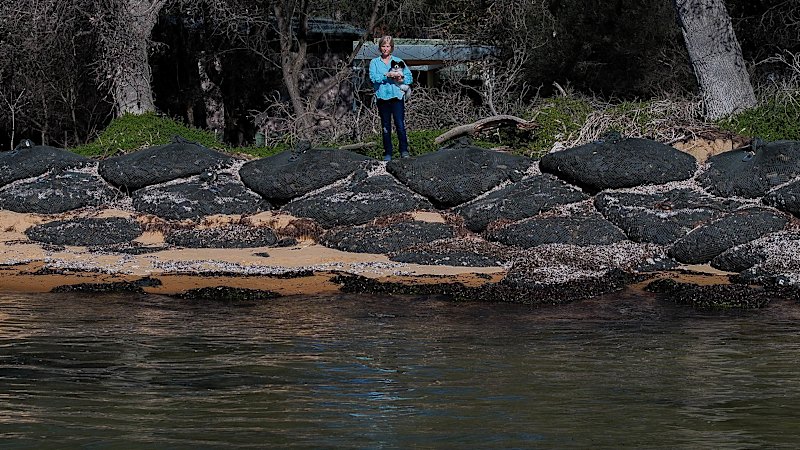
A swath of properties in the 500-person community on Phillip Island were placed under a Land Subject to Inundation Overlay in 2019 because they were in the firing line of coastal erosion, which has driven up insurance premiums and made much of their land all but impossible to develop or sell.
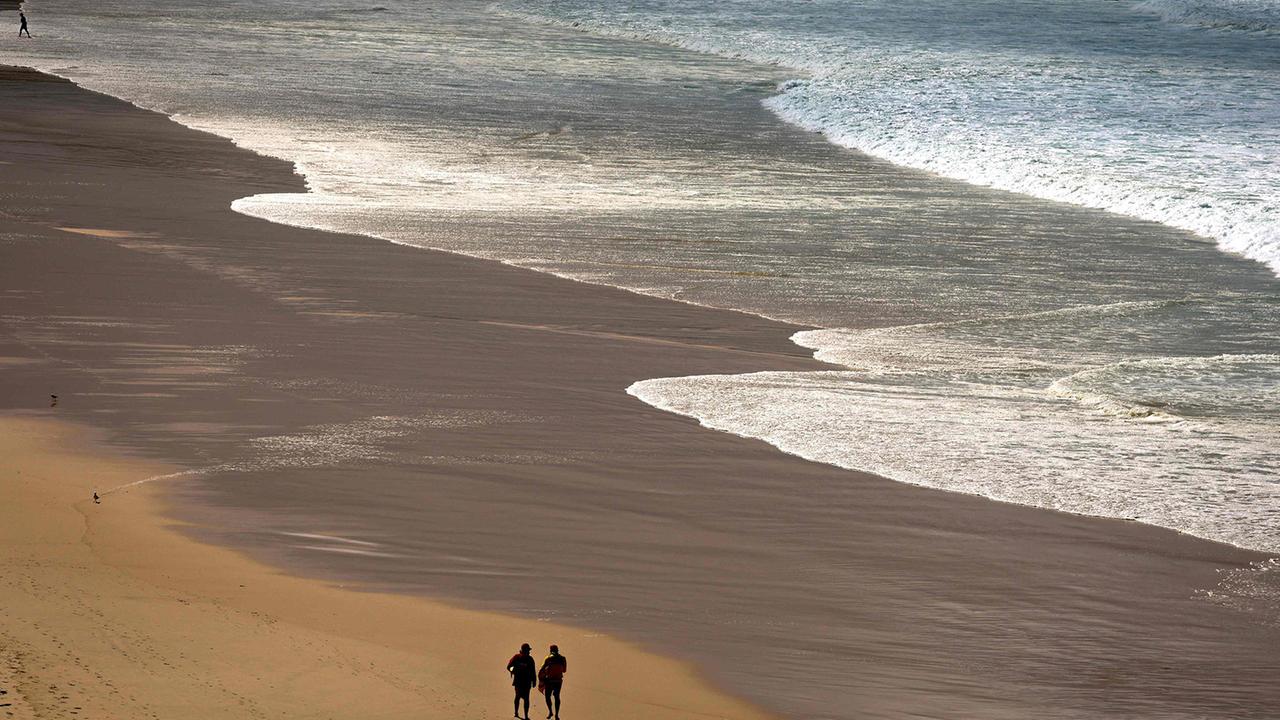
A report by the Environment Department in 2024 found the shoreline had receded by 77 metres since 1953. Between 2022 and 2024 it receded six metres a year.
But, following a string of planning decisions that prevented construction projects, residents began to question the land tax bills that rolled in from January 1. They noted they were receiving valuations equivalent to properties that were not in flood-prone areas, which had steadily risen since 2023.
Dozens of residents have since successfully contested their valuations and received massive discounts on their tax bill. This charge does not apply to principal places of residence but does affect investments, second homes, holiday residences, vacant land and commercial properties.
In one letter seen by The Age, a property valued at $775,000 was reduced to $175,000, cutting the owner’s annual bill by more than $2000.
Silverleaves resident Natalie Gray said flooding overlays not only affected who would buy properties and build on them, but altered council planning policies that often prevented development that could add value.
She said Victorians in bushfire or flood-risk areas would likely be in a similar situation, and urged the state to be proactive in stopping them from being overcharged.
“We shouldn’t have to object. We should be able to trust the state to act in a responsible manner,” she said.
“They’re relying on people objecting rather than having a standard approach.”
Gray said this was the third year she objected to her property valuation, but the first time it was successful.
She said she believed a High Court decision last year may have made the difference by providing clearer guidelines on how sites with buildings should be assessed, including what counts as an “improvement” on the site.
A Department of Transport and Planning spokesperson said the decision to alter site values in Silverleaves was not a result of the High Court decision.
They did not say whether the department would assess how many properties with overlays were being overcharged or whether it would proactively apply a land-tax reduction.
The incident prompted questions from the state opposition about how many other properties across Victoria were significantly overvalued and taxed too highly as a result, calling on owners with concerns to question their bills.
The Allan government forecasts $6.4 billion revenue from land tax this financial year alone.
Flooding overlays have significant implications for property sales and council approvals, although not every area will be as limited as Silverleaves in what can be developed.
Melbourne Water has previously estimated over 200,000 properties across its region have at least a 1 per cent chance of flooding.
A much smaller proportion of these have a chance of flooding above floor level, but the 1 per cent measure – which estimates flooding may happen once every 100 years – is a determining feature in land subject to inundation overlays.
The issue could affect properties affected by rezoning after the 2022 floods in regional Victoria and along the Maribyrnong River.
Kensington Banks, in Melbourne’s inner north-west, was labelled flood-prone in Melbourne Water’s revised modelling for the Maribyrnong River catchment and experts warned house values in the area could fall by up to 20 per cent.
Under the updated modelling last year, more than 90,000 properties in the Darebin, Yarra, Glen Eira and Merri-Bek council areas were found to be at risk in the event of a severe flood from stormwaters.
A 2022 report by University of Melbourne expert Tom Kompas, which modelled the risk of sea-level rises and storm surges, estimated 174,000 properties could be exposed to coastal inundation by 2040.
Melbourne’s west, Geelong and South Gippsland are vulnerable to future sea-level rises, according to the forecast, while Victoria faces property damages reaching $337 billion in present value by 2100.
Tax lawyer Thomas Abraham said all Victorians who suspect their properties were incorrectly valued or overcharged on land tax should object or inquire further.
He said since the Valuer-General of Victoria had become the sole authority for land valuation in 2023, many people’s land tax bills had tripled overnight.
“Ultimately, the question is not about how much growth there’s been, but whether $1 million (value) is actually correct. If you sell it in the market where you get $1.5 million then it’s fair,” Abraham said.
“If there’s inundation overlay or flooding overlay, so what are you going to do with it? You’re not going to be able to sell it.
Nationals MP Melina Bath, whose Eastern Victoria electorate covers Silverleaves, said every potentially inaccurate valuation across the state should be reviewed.
“Labor must order an immediate correction of every wrongful valuation and refund overcharged households,” she said.
“Residents should not be forced to fight the Allan government to receive a bill reduction or refund they are rightfully owed.”
Start the day with a summary of the day’s most important and interesting stories, analysis and insights. Sign up for our Morning Edition newsletter.