An envoy with the International Board of Peace said Wednesday that the ceasefire agreement brokered between Israel and Hamas in October has so far failed to meet both Israelis’ and Palestinians’ demands, as the former’s military continues its deadly campaign that human rights groups, scholars and activists have long concluded is a genocide.
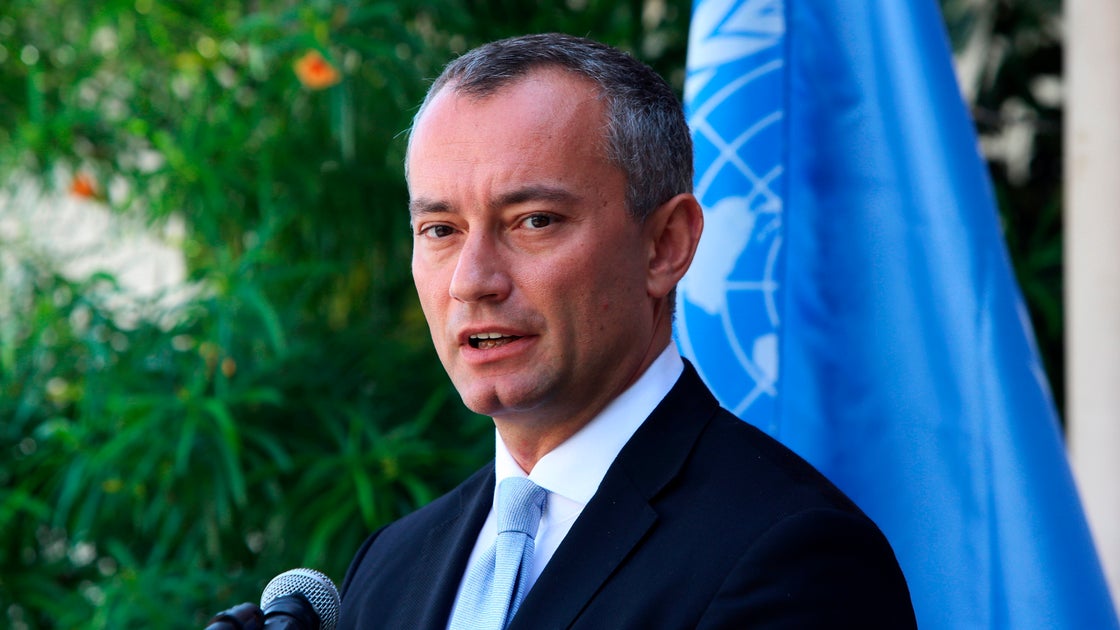
Speaking at a Foreign Press Association event in Jerusalem, longtime diplomat Nickolay Mladenov expressed frustration that repeated violations of the U.S.-brokered truce from both parties has led to stalled reconstruction efforts and prolonged Palestinian suffering. Israeli forces continue to attack the Palestinian people, preventing sufficient aid from entering the territory, while Hamas remains armed and in control of about half the strip.
“I believe that the people of Gaza can no longer wait,” he said. “It is Palestinian impatience ― and my impatience, and I will own it ― [that] comes from the fact that there are 2 million people in Gaza still living in tents, still living among the rubble, still living with violence, with lots of profound uncertainty.”
Mladenov zeroed in on a deadlocked issue central to stalled negotiations: for Hamas to disarm and step aside as Gaza’s ruling power. A 15-point framework the diplomat said was created from President Donald Trump’s original 20-point plan includes voluntary gun buybacks in Gaza, as well as conditional amnesty for those who surrender their arms.
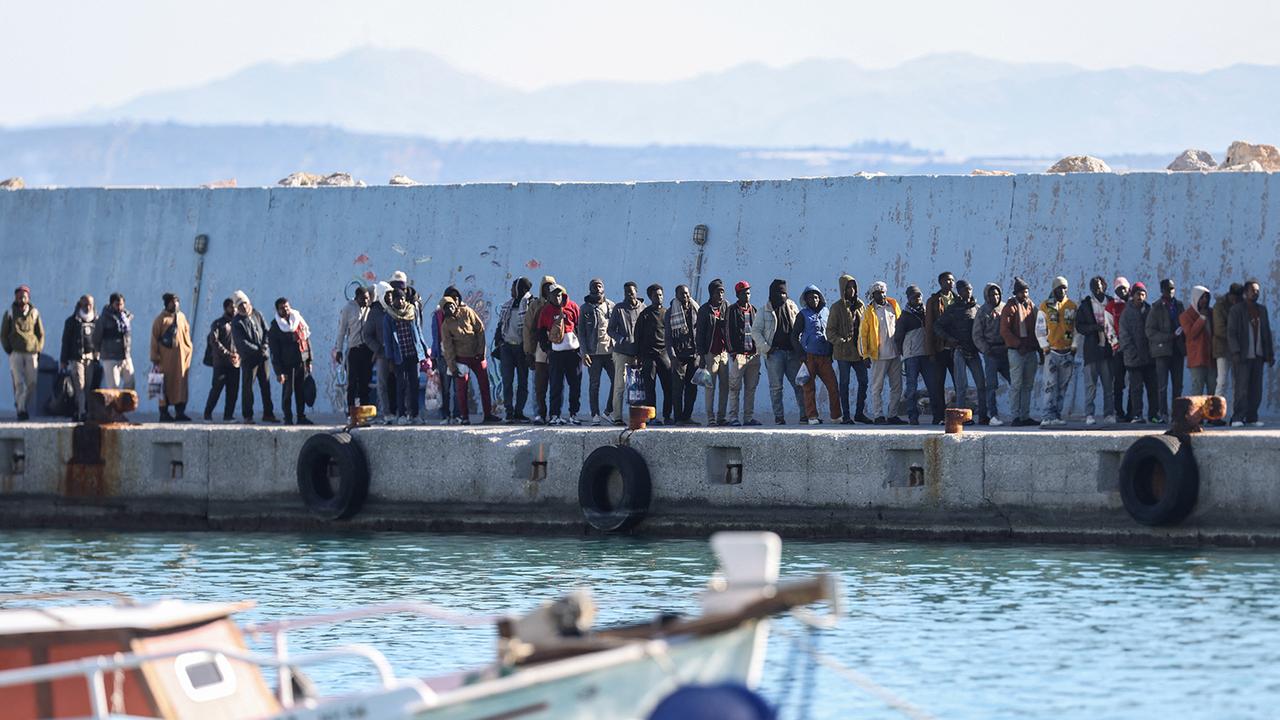
Ahmad Gharabli/AFP via Getty Images
Hamas leaders who do not accept the framework will be offered safe passage to certain countries, he said, stressing the board is “not interested in retribution,” but rather in transition. Disarming could allow the group to maintain a role in Gaza’s future, he added.
“We’re not asking Hamas to disappear as a political movement. A political party that disavows armed activity can compete in national Palestinian elections. The roadmap presumes that possibility,” Mladenov said. “What is not negotiable is that armed factions or militias ― with their own military command and control systems, with their own arsenals and tunnel networks ― can exist alongside a transitional Palestinian authority.”
The notion that disarmament could allow Hamas to maintain a role in Gaza’s future conflicts with the messaging by Israel and much of the U.S. government’s that the militant group be destroyed. Neither the U.S. State Department nor Netanyahu’s office responded to HuffPost’s requests for comment.
The yearslong campaign launched after Hamas killed about 1,200 and took 250 hostage in its Oct. 7, 2023, attack on Israel. Israeli forces have since flattened most of Gaza and killed more than 72,000 Palestinians, including at least 846 since the ceasefire, according to the Gaza Health Ministry.

Eyad Baba/AFP via Getty Images
Hamas has cited the Israeli military’s continued occupation in about half of Gaza as a reason for remaining armed. The group has previously voiced opposition to immediate disarmament, instead proposing an interim administration and law enforcement entity help restore order to parts of Gaza until a technocratic government, like that mentioned by Mladenov and other ceasefire mediators, steps in.
But Mladenov said Wednesday that Hamas is actually “consolidating its grip” on the half of Gaza it controls, describing taxes on civilians who already have nothing and efforts to block Palestinian workers from building temporary housing for displaced people living in rodent-infested camps.
“To what end? To squeeze better terms out of a negotiation?” the diplomat said. “To prove that nothing in Gaza moves without your permission? To foreclose the choice that the Palestinians in Gaza might otherwise make about the future, before they could make it themselves?”
Ismail Al-Thawabta, who leads Gaza’s Government Media Office, denied that Hamas is using threats or force to block workers from relief efforts, and stressed that any Israeli-supervised movement “aimed at reshaping the geographic and demographic reality of the Gaza Strip are met with broad public rejection.”