
Testing has confirmed the bones found on Rottnest Island on Wednesday are human, but further examination is required to determine their age.
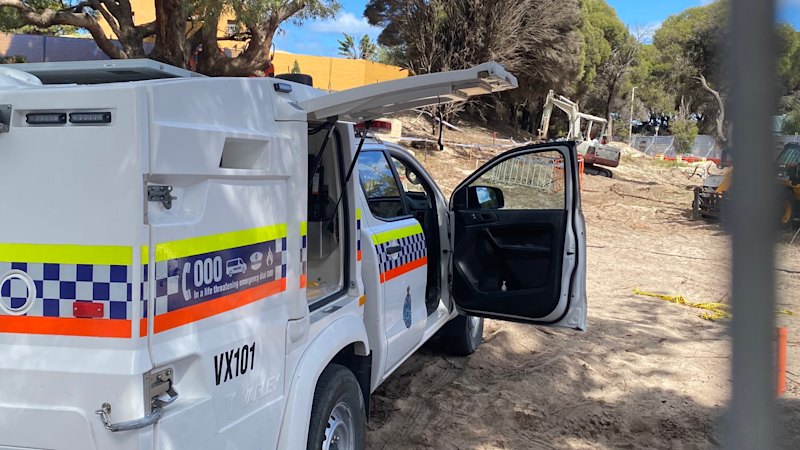
The bones were found near the popular tourist island’s Catholic church during construction work as part of upgrades to its main bus stop.
On Thursday, Police Minister Reece Whitby said the bones were brought back to Perth for further analysis by a forensic pathologist.
“It’s confirmed that they are human remains … so what we need to do now is to work out how old they are, whether they are historical or recent,” he said.
“That’s a very important matter to confirm, but that work is happening now.”
Whitby said he wasn’t certain when that testing would be completed, but he was “sure that we’ll get an answer soon”.
Works on the bus stop halted immediately after the bones were found on Wednesday.
Rottnest Island, known to the Whadjuk Noongar people as Wadjemup, has a brutal history as a prisoner island where about 3700 Aboriginal men and boys from around WA were imprisoned between 1838 and 1931.
According to the Rottnest Island Authority, many of the prisoners died from epidemics and illness over the years the prison was operating, and the bodies were buried in unmarked graves.
Whadjuk Aboriginal Corporation chief executive Leon Ruri told the National Indigenous Times they would wait for the findings of the tests.
Ruri said the bones were found in an area where they did not expect to find human remains.
“It’s away from a burial ground where it’s traditionally thought that mob were buried,” he said.
“So, that is why they’re not sure about whether it could be a non-Indigenous or Indigenous person, because it’s buried away from where all the other remains are.”
with AAP
 Hamish Hastie is WAtoday’s state political reporter and the winner of five WA Media Awards, including the 2023 Beck Prize for best political journalism.Connect via X or email.