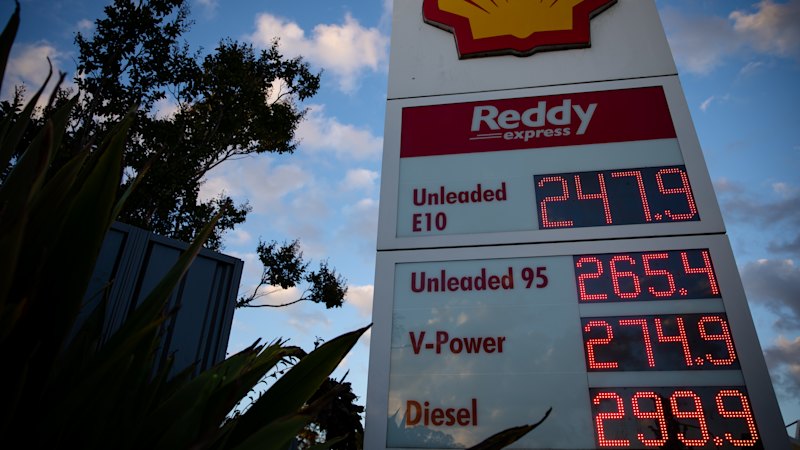

Australia’s largest states are at odds over how to apply GST to fuel as the first cracks emerge in the national response to the global oil crisis.
Prime Minister Anthony Albanese is now seeking to resolve the dispute after a meeting of all premiers and first ministers on Tuesday failed to reach consensus on his plan to return to taxpayers the GST windfall enjoyed by the states and territories from rocketing fuel prices.
NSW Premier Chris Minns has publicly backed a GST discount that would result in petrol being between 7¢ and 10¢ a litre cheaper for motorists at the pump. This would add to the drop in prices from the federal government’s move to temporarily halve the fuel excise.
Victoria and Queensland want to keep taxing fuel sales at the normal GST rate of 10 per cent, and then redirect the additional revenue into other targeted cost-of-living relief.
On Tuesday, Victorian Premier Jacinta Allan advocated using the revenue to support the struggling agricultural sector and reduce the price of some food. A Victorian government source, speaking anonymously to detail the discussions, said NSW had rejected this idea.
“Fuel prices are rising, and it’s putting households under pressure,” Allan said.
“It’s why in addition to free public transport in April, Labor will deliver further relief to Victorians.”
“We will continue to work with other states and territories to work out the best way we can help Victorian families.”
After Monday’s national cabinet meeting to address the growing fuel crisis, federal Treasurer Jim Chalmers said the states had “committed to provide GST relief”.
“They will work through the mechanisms and all of the complexities associated with that,” he said.
Federal government sources, speaking in confidence on Tuesday to discuss sensitive intergovernmental relations, admitted there had been trouble getting all states on board, particularly Queensland and Victoria.
There are also technical complications about how the GST arrangements would work.
One federal source said they suspected the dispute would be smoothed out as states wanted to avoid the impression that they were profiting from the crisis.
The Victorian government source denied the state needed the extra GST revenue to meet the estimated $70 million cost of providing free public transport for a month. “Nothing has been decided,” they said.
Before Tuesday’s meeting of premiers and chief ministers, NSW Premier Chris Minns said reducing the price at the bowser was the quickest way of getting savings into people’s pockets.
“There is some complexity around GST arrangements that, if we had the time, would be easy to sort out, but given the tightness at the time, the need to return this to NSW commuters, in fact, commuters and motorists right across the country, we want to look at a commonsense and practical way of returning that,” he said.
Queensland Treasurer David Janetzki said: “We are committed to making sure that any inflated revenue windfalls are appropriately handed to Queenslanders in their pockets through cost-of-living relief, and we will now be doing that work.”
The model of how it would be returned to residents was still being formulated, he added.
Start the day with a summary of the day’s most important and interesting stories, analysis and insights. Sign up for our Morning Edition newsletter.
 Chip Le Grand leads our state politics reporting team. He previously served as the paper’s chief reporter and is a journalist of 30 years’ experience.Connect via email.
 Paul Sakkal is Chief Political Correspondent. He previously covered Victorian politics and won a Walkley award and the 2025 Press Gallery Journalist of the Year. Contact him securely on Signal @paulsakkal.14.Connect via X or email.
 Jessica McSweeney is a reporter at The Sydney Morning Herald covering urban affairs and state politics.Connect via email.