
Get workplace news, advice and perspectives to help make your job work for you. Sign up for our weekly Thank God it’s Monday newsletter.
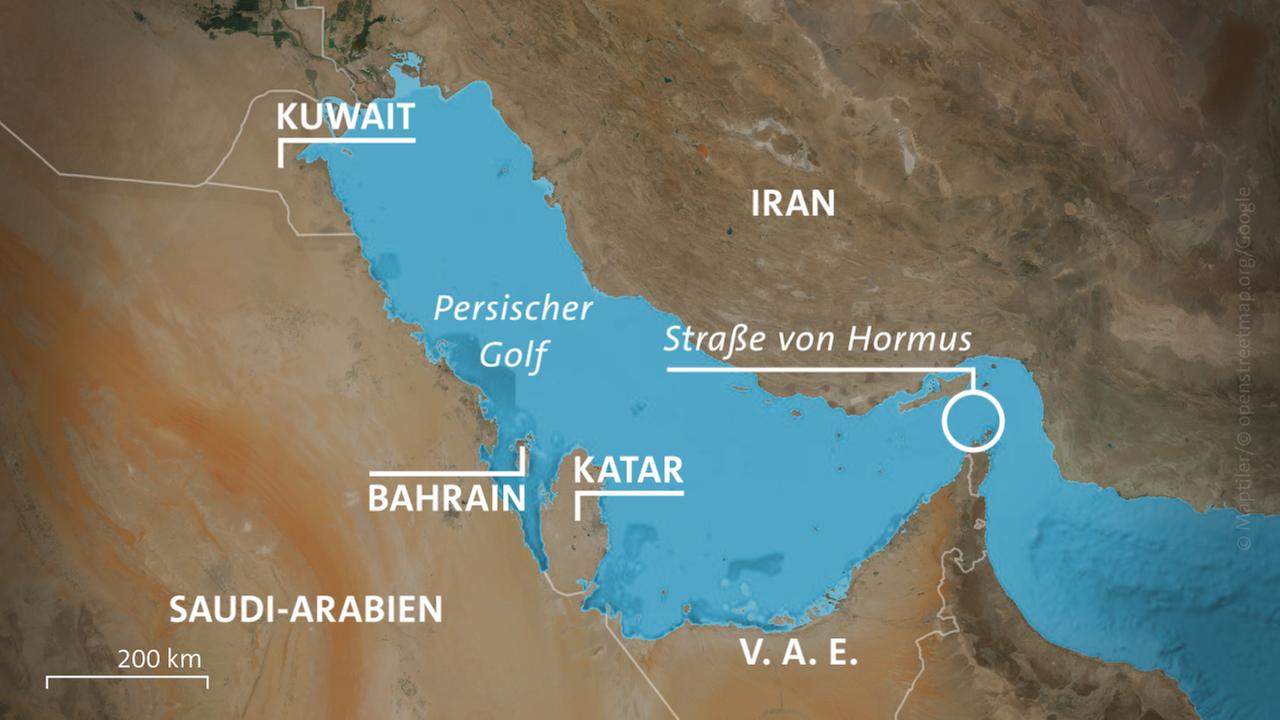
In case you haven’t noticed, there’s a lot going on in the world. With each new day of the Iran war, the consequences grow larger, so much so they’re now reaching all the way into Australian workplaces.
Last week the International Energy Agency laid out a range of actions they recommend countries consider to alleviate some of the war’s economic impacts on consumers. At the top of list was the suggestion to work from home where possible. This helps reduce oil use from commuting and is one of the biggest levers we have to modify our personal usage.
But any directive to modify our working behaviour comes laden with traumatic memories from the last time our workplaces were dramatically upended six years ago. Those changes were so sudden and impactful that they are one of the few trends from the COVID era that has stubbornly refused to revert to previous levels.
You don’t need a crystal ball to imagine state and federal governments using increasingly suggestive language over the coming weeks to encourage businesses to allow more of their employees to WFH where possible. This time, at least, we are better prepared for it.
The potential impacts of the war in the Middle East on Australian workplaces will not end with where you work, with probable price rises, job market uncertainty and broader economic headwinds also on the menu.
There is no harm in scenario-planning now what increased WFH-mandates might look like for you and your workplace.
As oil prices increase, the impact will be felt in decreased business travel due to higher costs and the need to ease pressure on aviation fuel markets. Potential incentives to encourage carpooling, subsidised or free public transport, additional public holidays and even driving disincentives to reduce congestion are all within the realms of possibility.
Some of these might seem far-fetched, but you only need to look around the world to see what countries have already implemented that might serve as a basis for government action here.
Last week, Sri Lanka declared that every Wednesday would be a public holiday for the foreseeable future. This sudden move to a four-day workweek is designed to ration fuel supply and reduce movement.
Myanmar has implemented a system where only cars with odd or even numbers are allowed to drive on the roads every other day, cutting their usage in half (unless you drive an electric vehicle, of course, which you can use on any day). In Bangladesh, authorities closed universities and rationed the amount of fuel drivers can buy to get ahead of the crisis.
Every country is different, and Australians workers fortunately haven’t felt much pain yet. But if Iran continues strangling shipping lanes and the war rages on, some of these measures will eventually arrive here.
When they do, we should not be surprised. There is no harm in scenario-planning now what increased WFH-mandates might look like for you and your workplace, and whether your next interstate work trip could be on Zoom instead of in person.
The best case is that things are resolved in the next few weeks, and the worst is a drawn-out process that forces the government to introduce measures to preserve oil supplies that will touch on every aspect of how we live and work.
For now, in the infamous words of John Howard after the Bali bombings several decades ago, when it comes to how to the war in Iran might affect our workplaces, we should all be alert but not alarmed.
Tim Duggan is author of Work Backwards: The Revolutionary Method to Work Smarter and Live Better. He writes a regular newsletter at timduggan.substack.com
 Tim Duggan is the author of Work Backwards, Cult Status and Killer Thinking. He co-founded Junkee Media and writes a monthly newsletter called OUTLET.