
The running of the state’s universities is “not fit for purpose” as institutions continue to avoid transparency while using taxpayer funds for complex commercial deals.
This is the scathing conclusion of the chair of a NSW parliamentary inquiry into the state’s higher education sector.
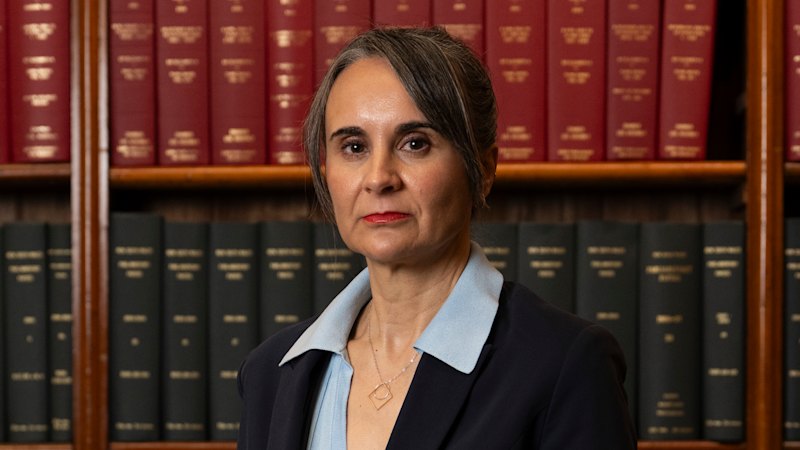
An interim report delivered on Wednesday highlights what inquiry chair Dr Sarah Kaine, a Labor MP and a former academic at the University of Technology, Sydney, branded “demonstrably inadequate” systems for transparency, accountability and public interest.
“These are publicly funded institutions, entrusted with billions of dollars and significant public assets,” Kaine said.
The release of the report comes at a critical time for the broader Australian higher education sector. The Morrison-era hikes to humanities fees have remained, some four years into the federal Labor government; Australia’s $54 billion international student industry is in jeopardy from debates about migration and a so-called “soft cap” on their cohort; a landmark study this year found that racism was pervasive on campuses across the country and the sector’s funding model for domestic students is undergoing fundamental change.
The interim report has made four key recommendations ahead of the final two hearing dates: the powerful Audit Office of NSW should examine the finances, governance and staff management of the University of Technology, Sydney; the University of Wollongong should be compelled to detail its commercial activities, including those overseas; full disclosure of consultant spending should be made by universities; and freedom of information laws should be overhauled to ensure transparency.
A spokesperson for UTS said only that it acknowledged the interim report. The University of Wollongong was also contacted for comment.
“The committee considers that focused interim action in relation to both universities is justified to strengthen accountability, restore public confidence and ensure closer alignment with their public mission while the inquiry continues,” the report’s foreword, written by Kaine, said.
“These recommendations are about restoring confidence and ensuring universities are governed in a way that reflects their public purpose,” she told the Herald on Wednesday.
A final report is expected later this year.
Be the first to know when major news happens. Sign up for breaking news alerts on email or turn on notifications in the app.