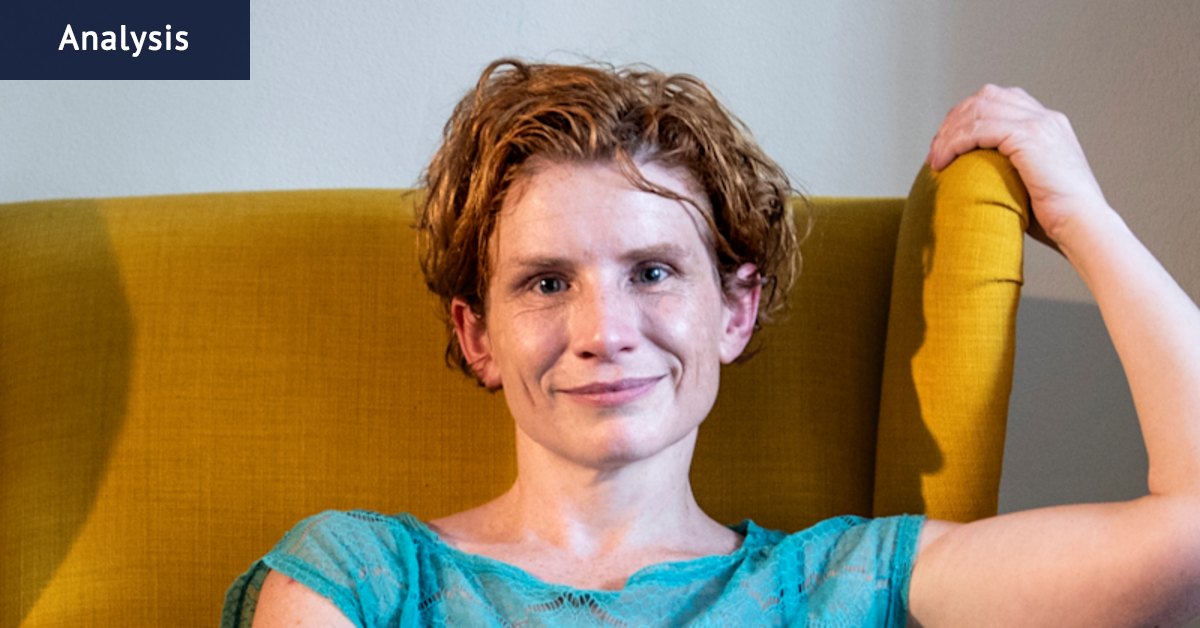

When Fiona Wright began writing her first novel, the satire Kill Your Boomers, she never thought housing affordability would be central to mainstream political conversation.
It was 2018, and Wright – a poet, writer and academic – had been a renter for 14 years in Sydney. While she had money saved, she saw no way of actually converting that money into home ownership.
“It’s remarkable: in 2018, this was already the reality for me and my friends, but the problem had to get worse and start affecting people with ‘sustainable’ jobs for it to become a national conversation,” Wright says.
“I hope we’re reaching a critical mass where things have to change, but it’s a bind – for things to change, some people have to lose the returns they expected on their property, and nobody likes to lose.”
And yet, as Wright deftly points out through her main character Keira – a 30-something writer and a rich Millennial family’s babysitter, languishing in a mouldy share house – there are Australians already losing at the property game, and they’re growing increasingly frustrated.
“I’m thrilled for Dyl, of course I am,” Keira says after finding out her best friend has bought an apartment with his partner’s inheritance.
“He’s worked so hard, lived so precariously for so long. But so have I … and so has almost everyone I know.”
Home ownership has been central to the Australian identity and the broader notion of the Great Australian Dream – a belief that it can lead to a better life.
But given property prices have risen faster than wages, perhaps it was inevitable that an author would consider what happens when buying a property from savings is no longer an option.
Wright’s darkly humorous take on the disintegration of this dream is both clever and macabre.
While the book started accidentally, it struck a chord with so many friends she turned it into her next serious work.
But then the pandemic happened.
“But the joke is on me – halfway through writing the book, I fell for a woman who worked in tech. She had the income and the savings, so I did end up purchasing property.”
Keira is obsessed with scrolling through listings and attending home inspections.
She imagines how she would furnish each unit (it’s always a unit – this is Sydney, where the price for an entry-level house is $1.15 million), and where she would sit “with a glass of wine in these long evenings of summer, reading and watching the sun slowly sink, the sky glowing pink, vermillion”.
It doesn’t help that Keira spends much of her week so close to wealth, babysitting the twins of Johanna, the perfect-looking founder of a supplements brand who insists her children are fed only organic food, the “uglier the better”.
“I wanted her in a well-off household because our relationship with housing is so comparative,” Wright explains. “Going into these beautiful homes knowing they are entirely out of your realm of possibility creates an extreme contrast.”
As the book progresses, Keira spirals and considers the merits of killing her parents – retirees in rude health who eat at expensive restaurants, travel and offer expensive gifts – to hasten her inheritance and keys to the Great Australian Dream.
While Wright takes all her characters to the extreme – “in fiction, you can just have horrible people … who have no idea what they’re doing to themselves or each other” – they represent the issues facing a generation locked out of property ownership.
Whether it’s Keira’s well-meaning, but oblivious parents, happy to fund their grandchild’s private education while scolding Keira for asking for a loan to cover rent; or her brother, who exemplifies the “right” way to be an adult (property ownership, stable job, family), Wright cleverly tackles the themes underlying the housing affordability crisis.
“I always want people to feel seen and have stories that fit their lives, even if this one is a bit darker and more macabre,” Wright says.
“I think our relationship with home ownership in Australia is completely messed up – it’s so culturally ingrained, yet the system makes it nearly impossible to get ahead as a renter.”