
In the quiet suburban landscape of Peoria, Arizona, a digital storm has made landfall, centered on an elementary school classroom. Amy Beck, a veteran educator at Coyote Hills Elementary School, has found herself at the heart of a national controversy that bridges the gap between the high-stakes world of social media influencers and the stringent ethical requirements of the American public education system.
The Peoria Unified School District (PUSD) recently confirmed that Mrs. Beck has been placed on administrative leave. The catalyst for this disciplinary action was not a classroom incident or a pedagogical failure, but the resurfacing of a four-year-old video involving her son, the globally recognized TikTok star Noah Beck. This case serves as a poignant case study on the “persistence of memory” in the digital age and the increasingly blurred lines between a teacher’s private life and their professional standing.
The Anatomy of the Controversy and Video
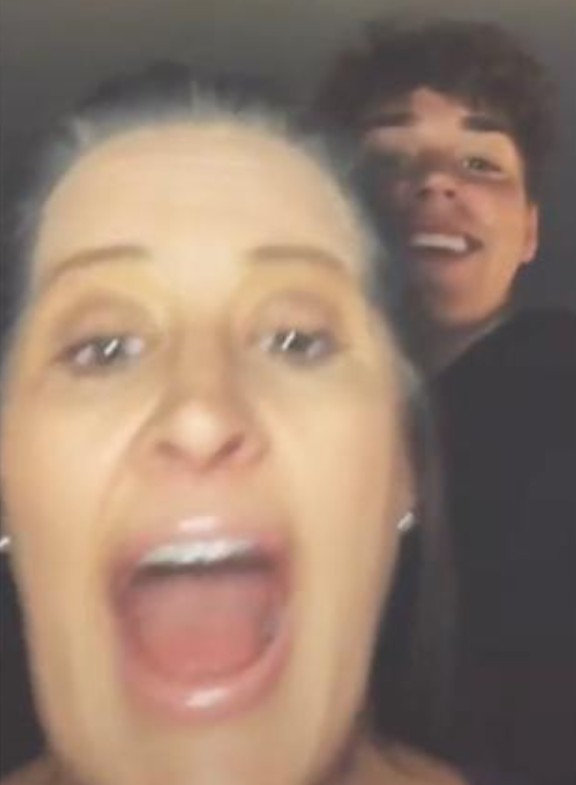
The video in question dates back to April 2020 a time when much of the world was in lockdown and TikTok became a primary outlet for familial bonding and entertainment. In the clip, Noah and Amy Beck are seen performing a high-energy lip-sync to the track “Kings Dead” by Jay Rock, Kendrick Lamar, Future, and James Blake.
Amy Beck and Noah Beck Full Video
While thousands of families participated in similar trends, the content of this specific video has been deemed highly problematic by observers. The song features explicit lyrics describing sexual acts. In synchronization with these lyrics, Amy and Noah Beck are seen miming what appears to be a simulated act of oral sex.
Although the video was removed from Noah’s official TikTok account (which boasts over 33 million followers), digital footprints are rarely erased. Third-party accounts and internet sleuths archived the footage, and its recent recirculated version sparked immediate outrage among parents in the Peoria district. The central question posed by critics is simple yet devastating: Can a professional responsible for the education and moral development of elementary students remain in their position after participating in such explicit content, regardless of whether it was intended as a “joke” with her son?
The School District’s Response
Following the public outcry, the Peoria Unified School District moved swiftly to address the situation. A district spokesperson confirmed to major news outlets, including PEOPLE, that Amy Beck was placed on paid administrative leave effective immediately.
In a formal communication sent to the parents of students in Mrs. Beck’s class, the district emphasized that the decision was made “out of an abundance of caution.” The message sought to balance the gravity of the investigation with the need for stability, stating, “This matter does not impact the safety of our students.”
To ensure that the educational curriculum remained uninterrupted, the district appointed a substitute teacher to lead the class. However, for many parents, the administrative leave is seen as a necessary precursor to a more permanent decision. The district’s internal investigation is currently focusing on whether Mrs. Beck’s participation in the video violates the PUSD’s professional code of conduct, which requires staff to maintain “standards of behavior that serve as a positive role model for students.”
The Noah Beck Connection
The involvement of Noah Beck adds a layer of complexity to the scandal. As one of the most prominent faces of the “TikTok era,” Noah has parlayed his social media success into a legitimate entertainment career, including a high-profile role in the upcoming Baywatch reboot.
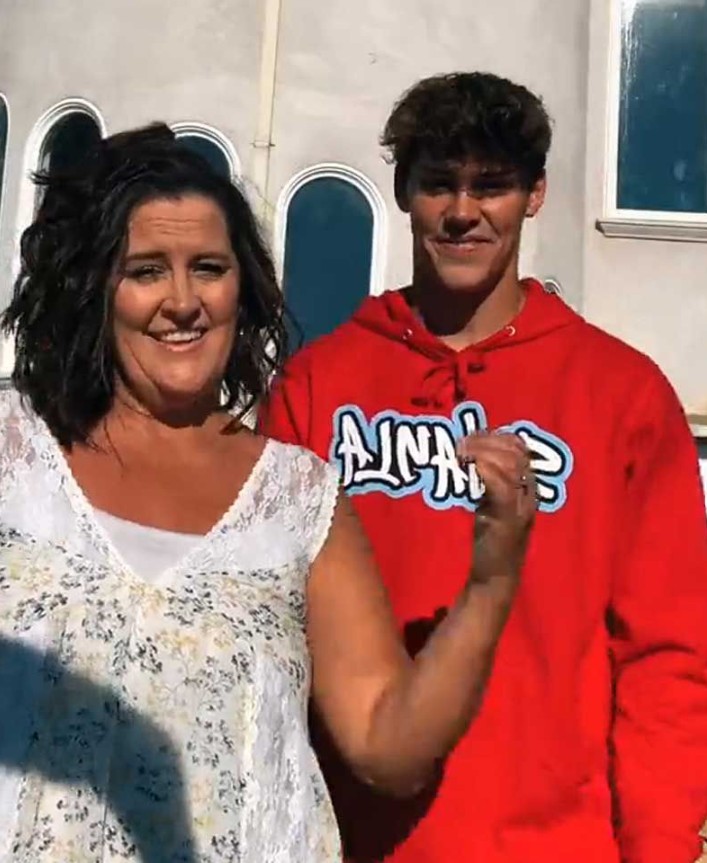
For an influencer, “edgy” content or viral stunts are often the currency of growth. However, for the family members of these influencers, the quest for “likes” can have real-world consequences. Amy Beck’s participation in her son’s video was likely seen at the time as a way to support his growing career and connect with a younger audience. Today, that same support is being reframed as a lapse in judgment that calls into question her suitability for the teaching profession.
The silence from the Beck camp has been notable. Despite repeated requests for comment from major media organizations, neither Noah nor Amy Beck has issued a public statement. This “radio silence” is a common crisis management tactic, but in the court of public opinion especially among concerned parents it is often interpreted as a lack of accountability.
A Pattern of Controversy
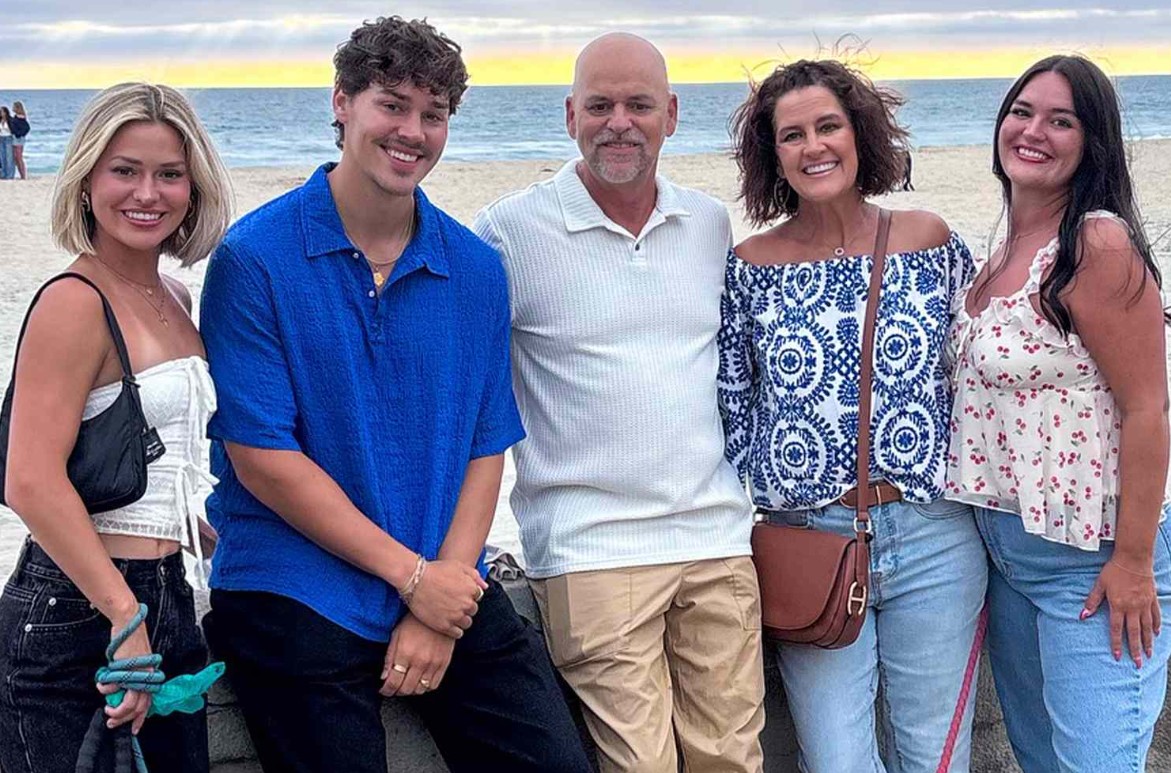
The investigation into Amy Beck does not exist in a vacuum. It is shadowed by a far more severe scandal involving another member of the family. Earlier this year, Amy’s daughter and Noah’s sister, Haley Beck, was at the center of national headlines for her own termination from the Peoria Unified School District.
Haley Beck, who was also an educator in the district, was fired following allegations that she had developed an inappropriate sexual relationship with a student. The proximity of these two incidents occurring within the same year and the same school district has led to a narrative of a “family in crisis.”
For the PUSD school board and the local community, the cumulative effect of these scandals is significant. It raises concerns about the vetting process for educators and whether the district is doing enough to uphold the moral and ethical standards expected of those in positions of authority over minors. The Haley Beck incident effectively stripped Amy Beck of any “benefit of the doubt” that she might have otherwise received.
Professional Ethics vs. Private Expression
The Amy Beck case touches on a larger legal and ethical debate: To what extent can an employer regulate an employee’s off-duty conduct? Under Arizona law and most teacher contracts, educators are held to a higher standard than the general public. “Conduct unbecoming of a teacher” is a broad legal standard that allows districts to discipline or terminate employees for actions that undermine the public’s trust or impair the teacher’s effectiveness in the classroom.
Legal experts argue that because the video is now widely available and directly involves a teacher performing a suggestive act, the district has a strong case for arguing that her “effectiveness” has been compromised. If parents no longer trust a teacher to provide a moral environment for their children, her ability to lead a classroom is fundamentally broken.
The Permanent Record
As the investigation continues, Amy Beck remains away from her classroom. The outcome of this case will likely serve as a landmark for how school districts handle the social media history of their staff.
In the 21st century, there is no such thing as a “private joke” when it is uploaded to a platform with millions of users. The “Kings Dead” video may have been a fleeting moment of fun for a mother and son in 2020, but in 2024, it has become a career-defining crisis. For the students and families of Coyote Hills Elementary, the incident is a disappointing reminder that the educators they look up to are often just as susceptible to the pitfalls of viral fame as the influencers they follow on their screens.
The Peoria Unified School District now faces the difficult task of deciding whether a teacher’s past digital footprint is a disqualifier for their future in the classroom. For Amy Beck, the “undo” button does not exist, and the lessons being taught in this situation are far more complex than any found in a standard elementary school textbook.
News –