
Senior state public servants would have their base salaries capped at the same level as Victoria’s top law officers under a Coalition plan to rein in the trend of executives being paid well above their maximum band.
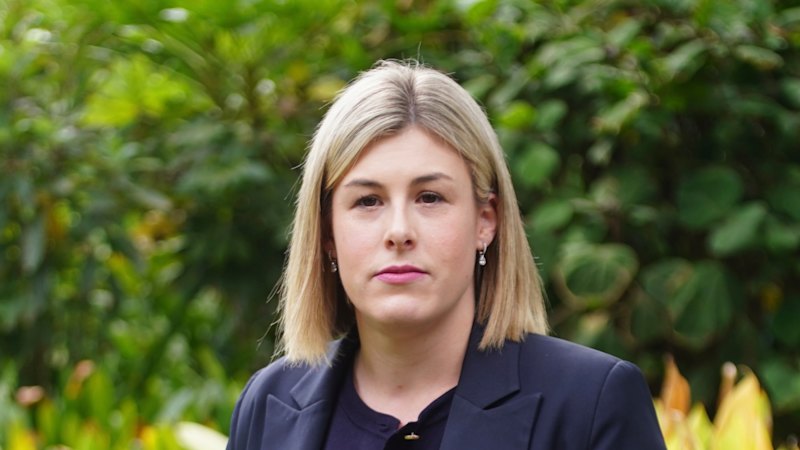
Opposition Leader Jess Wilson pledged on Wednesday that new senior public sector contracts would have a salary limit of about $598,000 under a Coalition government, the same as the chief justice of the Supreme Court.
The announcement is in response to more than 100 decisions to grant high-ranking executives salaries well above public service guidelines over the past five years.
Government employers are required to request and consider advice from the Victorian Independent Remuneration Tribunal when they want to pay an executive above the appropriate band for their role. They are not required to follow this advice. Executives can be paid more than the tribunal suggests if employers show they have considered its findings appropriately.
Former Suburban Rail Loop Authority chief executive Frankie Carroll was on a total remuneration package of between $900,000 and $909,999 before his departure last year. That figure included superannuation and accrued leave and other entitlements.
When Carroll was first hired in 2020, the Independent Remuneration Tribunal recommended a total package of $680,000 to $700,000, despite the maximum remuneration for his band at the time being $479,900.
A Wilson government would apply its cap to any new, renewed or renegotiated contracts, and would increase it in line with wages each year.
The opposition estimates that this could save taxpayers $20 million by 2036 and is making its announcement ahead of the state budget next week, when Victoria’s debt levels will be under scrutiny.
To support its policy, the Coalition has released a spreadsheet outlining more than 130 decisions by the Remuneration Tribunal since 2020 in which it recommended paying an executive above guidelines. The spreadsheet does not account for the extra entitlements or salary the government may have decided to provide these executives above the tribunal’s recommendations.
The document shows an executive program director for the Victorian Infrastructure Delivery Authority was this year recommended a package of more than $830,000 – $260,000 above the band for their role.
Under the Coalition’s policy, the director’s pay would be capped at $598,000.
“My team’s plan is about ensuring executive pay meets community expectations and that our priority remains on the essentials,” Wilson said.
“Whilst Labor is gifting quarter-of-a-million-dollar pay rises to Big Build executives, my Liberal
and Nationals team is focused on hiring 3000 more police to keep the community safe.
“Under Labor, the number of public service executives has tripled, but crime is up, our roads are
in disrepair and it takes longer to get an ambulance. It’s time for a fresh start that prioritises
the basics.”
A significant share of the senior public sector roles paid above the band are in transport and infrastructure authorities.
The Allan government has previously defended high salaries in these positions because of a competitive global market where specialist talent is needed for areas such as tunnelling and delivering of multibillion-dollar projects.
Transport Infrastructure Minister Gabrielle Williams said on Tuesday that these factors were considered by the tribunal as part of its decisions.
“We’re effectively competing with global infrastructure projects to secure the best and brightest, as we all want to ensure that we have the best possible projects led by the best possible skill sets,” she said.
“These are salaries that are set by an independent tribunal taking into account what that global market is prepared to pay for those skill sets.”
The state government has unveiled more than $2 billion in spending measures ahead of the budget on May 5, largely focused on the cost of living and transport.
This includes a $750 million pledge to provide a 20 per cent refund on car registrations, and $432 million to extend free public transport until the end of May and introduce half-price fares for the rest of 2026.
Another $100 million has been put towards upgrading routes across Melbourne and regional Victoria, $673.6 million towards 25 X’Trapolis 2.0 trains and $77.5 million for extra train services.
Start the day with a summary of the day’s most important and interesting stories, analysis and insights. Sign up for our Morning Edition newsletter.
 Patrick Hatch is transport reporter at The Age and a former business reporter.Connect via X or email.