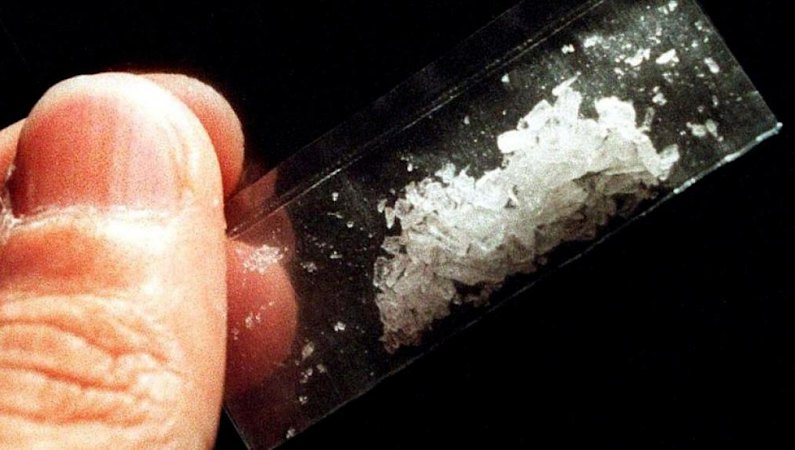

Queenslanders are consuming the illicit drug ice in record amounts – 720 kilograms more than the previous year – according to the latest analysis of wastewater.
A National Wastewater Drug Monitoring Program analysis of samples from 64 facilities across the country measured the presence of illicit substances such as methylamphetamine, cocaine, MDMA and heroin.
The latest report shows record levels of cocaine and methylamphetamine – also known as ice and crystal meth – across all Australian jurisdictions between December 2024 and October 2025.
Queensland’s annual increase in ice use was the second-highest of any state or territory, according to the report from the Australian Criminal Intelligence Commission.
Ice is a highly addictive stimulant often associated with chronic, relapsing dependency.
ACIC chief executive Heather Cook said data from the wastewater report shows the burden that high-risk stimulant use continues to place on emergency services, families and frontline responders.
“These aren’t abstract figures – they represent real harm and real consequences playing out in hospitals, homes and communities across the country,” Cook said.
“Limited treatment options, particularly for methylamphetamine, constrain demand and harm reduction efforts.”
Alongside meth, cocaine consumption rose by 17 per cent across Queensland, the highest in regional areas, though several Brisbane sites reported consistently high levels of the drug.
The presence of MDMA, a popular party drug, and ketamine, a recreational and medical substance, were also high at regional wastewater facilities.
Cook said the growth in Australia’s illicit drug market was driven by “persistent” and “highly innovative” transnational criminal networks that exploit the country’s high-demand environment.
“Every time law enforcement closes a door, they [organised crime groups] find a window and then attempt to climb through it with increasingly complex concealment strategies,” she said.
“The scale of the markets, reflected in the wastewater data, shows just how determined these groups are to maintain supply.”
Earlier this month, Queensland police seized large quantities of illicit drugs – 90 kilograms of cocaine, 16 kilograms of meth, 311 kilograms of ketamine, and 58 kilograms of MDMA – and arrested four south-east Queensland men following a major investigation into an organised crime syndicate with links across Australia.
It followed a bust in March during which five men were arrested after a combined 156 kilograms of cocaine, methamphetamine, MDMA, heroin and ketamine was seized from units in Brisbane and the Gold Coast.
Detective Acting Chief Superintendent Craig McGrath said “removing drugs of this scale from circulation has a direct impact on community safety”, reducing harm “to individuals, families and frontline responders across Queensland”.
Cook said intelligence gathered through the wastewater drug program helps authorities chart changes in drug markets, “sometimes before they become visible elsewhere”, and gives “health agencies, policymakers and law enforcement the tools they need to respond”.
Start the day with a summary of the day’s most important and interesting stories, analysis and insights. Sign up for our Morning Edition newsletter.